
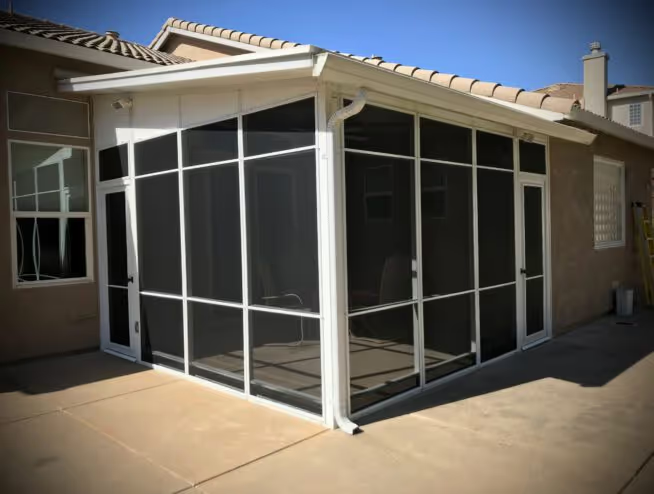
A covered patio without screens is really just a shaded area that still has all the problems of being completely outdoors. Bugs find you. Dust blows in. The afternoon sun angles under the cover and heats everything up anyway.
Adding screens to your patio transforms it into something closer to an extra room. You can leave the furniture out without worrying about weather damage. You can eat dinner outside without swatting flies the whole time. The space becomes genuinely functional instead of occasionally tolerable.
The right patio screen solution depends on how your outdoor space is configured. Some patios work best with fixed screen panels. Others benefit from retractable systems that let you choose between open and screened depending on conditions.
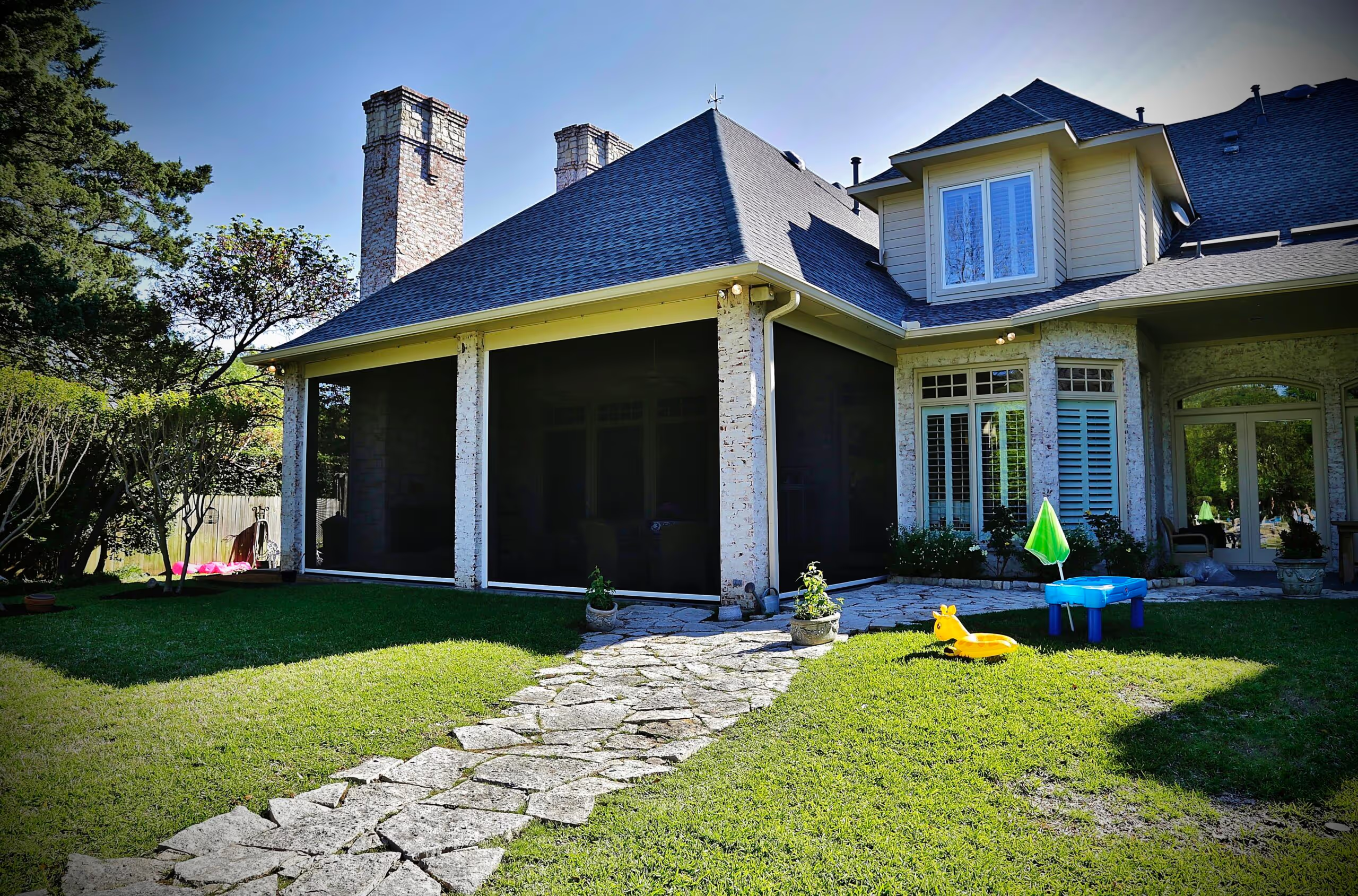
For large patio openings, Mirage retractable screens can span up to 14 feet wide and 10 feet tall. Double configurations reach even wider. These screens ride on smooth guides and tuck away completely when you want an unobstructed view.
Fixed screen systems make sense for patios where you always want the screens in place. The installation is permanent, but the screens themselves can still be rescreened if they get damaged over time.
That Roseville summer sun creates some specific challenges for patio screens. Standard screening provides insect protection but doesn't do much for heat or glare.
Solar sun screens are designed specifically for sun control. They block up to 90% of the sun's rays while still allowing airflow and maintaining visibility. For west-facing patios that get hammered by afternoon sun, solar screening makes the space comfortable hours earlier than it would be otherwise.
The difference in temperature can be dramatic. Instead of an oven-like patio until sunset, you might be able to use the space by mid-afternoon.
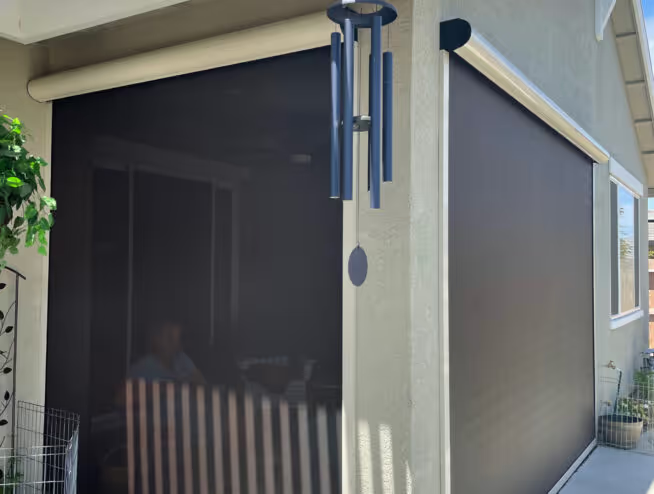
If your patio has multiple screen panels, motorized systems remove the hassle of raising and lowering each one manually. With a remote or wall switch, all screens move together. Some systems even integrate with smart home setups.
Motorized screens make the most sense for larger installations where manually operating each screen would be tedious. They're also helpful for screens mounted in hard-to-reach locations.
Dogs and cats interact with patio screens constantly, and standard mesh doesn't hold up well to the abuse. Pet-resistant screening uses vinyl-coated polyester that's significantly tougher than fiberglass.
If your pets have already destroyed one set of patio screens, upgrading to pet-resistant mesh prevents the same frustration from happening again. The material costs more upfront but saves money over repeated rescreening.
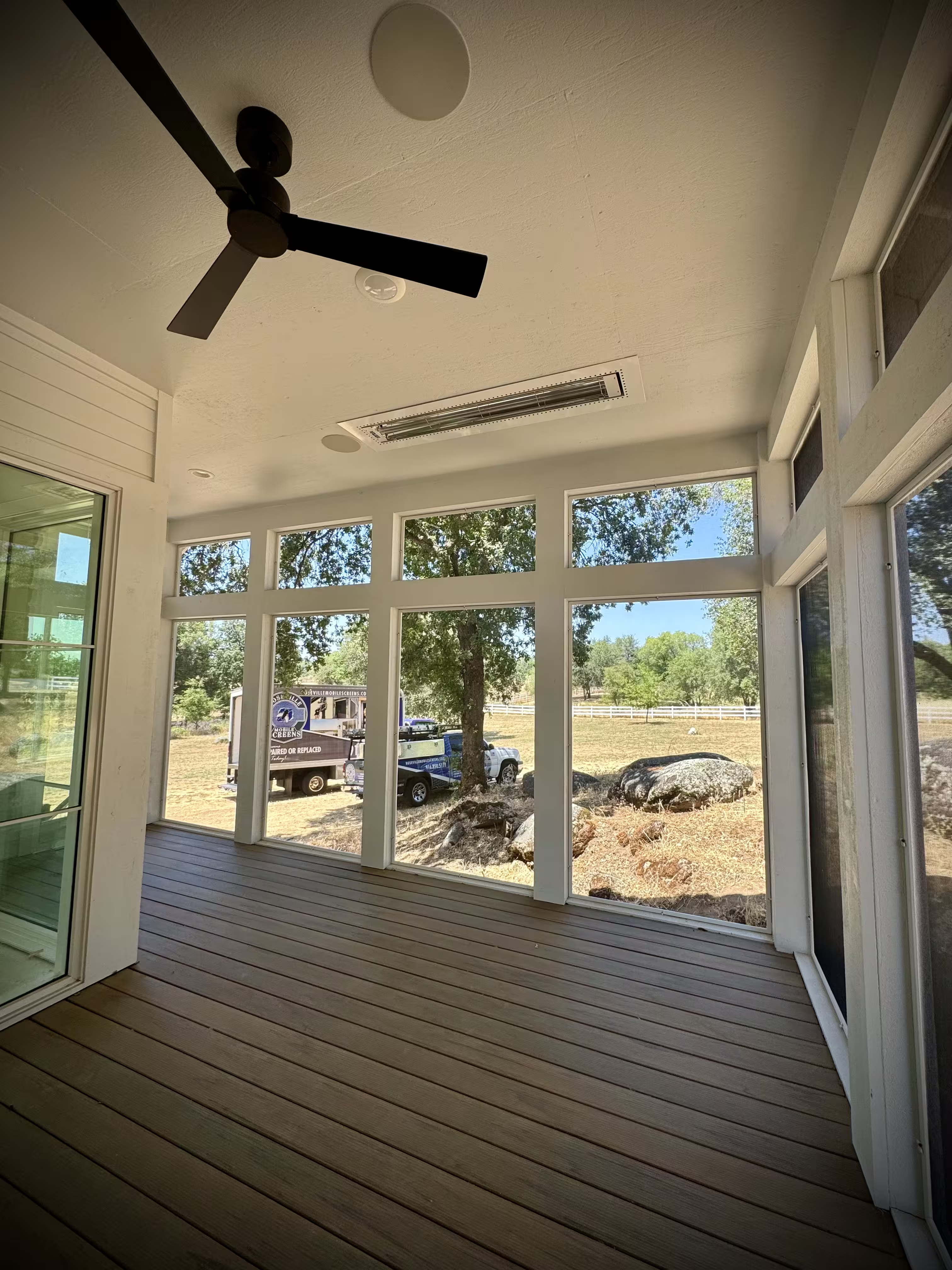
Patio screen installation is more involved than window screens. The frames need to be level and properly secured. The mesh needs proper tension. For retractable systems, the tracks must be perfectly aligned for smooth operation.
Roseville Mobile Screens has been installing patio screens throughout Placer County since 2011. They bring all the equipment needed for on-site fabrication, which means screens get built to your exact measurements rather than modified from standard sizes.
The best time to add patio screens is before you actually need them. Once the heat arrives and the bugs come out, every screen company in the area gets busy. Spring installations mean your patio is ready when summer hits.
Think about how you use the space currently and what's stopping you from using it more. If bugs are the main issue, standard screening solves that. If heat is the problem, solar screens address it directly. Many Roseville homeowners end up combining both approaches for different parts of their patio.
Ready to make your patio a space you actually want to spend time in? Roseville Mobile Screens serves homeowners throughout Roseville, Rocklin, Lincoln, Granite Bay, and surrounding areas.